Choosing between Invisalign® and fixed braces is one of the most common decisions for adults and parents starting orthodontic treatment. Both straighten teeth effectively, but they differ in appearance, daily routine, and suitability. This guide compares the two so you can decide confidently with specialist support from The Brace Place.
How each option works
Invisalign® uses a series of custom clear aligners that gradually move teeth into position. Each set is worn for around 20 to 22 hours a day and changed as directed by your Specialist Orthodontist. They are removable for eating, brushing, and social occasions. Attachments may be used in some cases to help guide tooth movement.
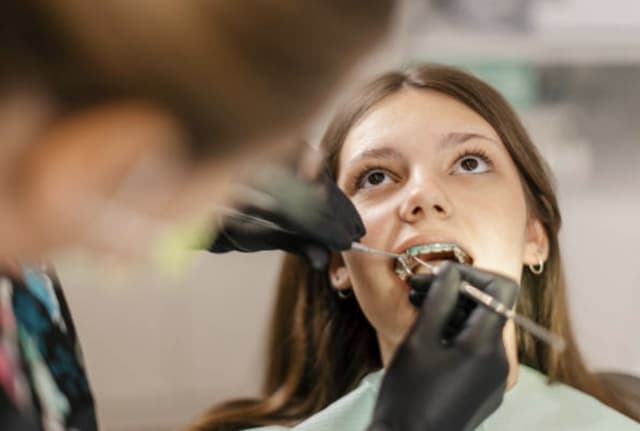
Fixed braces use brackets bonded to the teeth and connected with an archwire. The wire is adjusted periodically to move teeth into the correct position. Ceramic or metal brackets may be used depending on preference and clinical need.
Both options usually begin with a digital 3D scan to plan treatment accurately and avoid traditional impressions.
Pros and cons at a glance
Invisalign®
Pros:
- Discreet and nearly invisible in daily life
- Removable for eating and cleaning
- No food restrictions
- Easier brushing and flossing
- May require fewer in-clinic visits with remote monitoring
Cons:
- Requires strong daily compliance
- Can be misplaced if not stored carefully
- Slight temporary speech adjustment
- Not ideal for constant snacking habits without good hygiene discipline
Fixed braces
Pros:
- Always working with no compliance required
- Suitable for a wide range of simple to complex cases
- Cannot be removed or lost
- Ceramic options offer a more discreet look
Cons:
- More visible than aligners
- Requires careful cleaning around brackets
- Some food restrictions to avoid damage
- Initial rubbing may require orthodontic wax
Suitability from simple to complex cases
Both Invisalign® and fixed braces can treat a wide range of orthodontic issues. Fixed metal braces remain the most versatile option for complex bite corrections and detailed tooth movements. Ceramic braces provide a more discreet fixed alternative.
Invisalign® can treat many mild to moderate cases and some complex cases when planned by Specialist Orthodontists using attachments, elastics, and advanced digital planning. Your suitability depends on bite complexity, crowding, and overall treatment goals.
Treatment time and appointment frequency
Treatment length varies depending on complexity. Some Invisalign® cases may complete in around 6 months, while others take longer. Fixed braces typically follow a similar overall range depending on the case.
Invisalign® often allows for fewer in-clinic visits when remote monitoring is appropriate. Fixed braces require regular adjustment appointments with your Specialist Orthodontist. Both options include planned check-ups to ensure progress stays on track.
Day-to-day life, comfort, and routines
Appearance — Invisalign® is very discreet and often unnoticed in daily interactions. Ceramic braces offer a lower-profile fixed option.
Comfort — Invisalign® aligners are smooth, with mild pressure during changes. Fixed braces may cause initial rubbing, which can be managed with orthodontic wax.
Eating and drinking — With Invisalign®, remove aligners before eating or drinking anything other than water. With fixed braces, avoid hard or sticky foods that may damage brackets or wires.
Oral hygiene — Invisalign® allows normal brushing and flossing when aligners are removed. Fixed braces require extra care using interdental brushes around brackets and wires.
Speech — Invisalign® may cause a brief adjustment period. Fixed braces rarely affect speech after initial settling.
Real-life tips for work, parenting, travel, and school
- Keep a small travel kit with essentials such as a toothbrush, fluoride toothpaste, interdental brushes, and wax or aligner case
- Plan meals around your appliance to maintain hygiene and comfort
- Set reminders for aligner wear and elastics during busy routines
- Store aligners safely during travel to avoid loss
- Pack braces-friendly snacks for school or work days
Handling problems between appointments and remote monitoring
If a bracket becomes loose or an aligner feels uncomfortable, contact your clinic promptly. Orthodontic wax can be used to reduce irritation temporarily.
Many clinics, including The Brace Place, use online triage and photo submissions to assess issues quickly and advise next steps. Remote monitoring may also be used to track Invisalign® progress between visits, reducing unnecessary appointments and helping your Specialist Orthodontist keep treatment efficient and precise.
Data privacy for photo or scan sharing
Photo and scan sharing for remote monitoring is managed through secure systems that comply with UK data protection regulations. Reputable clinics ensure that patient data is stored safely and only accessed by authorised clinical staff.
If you have concerns, your clinic should clearly explain how your data is handled, how long it is stored, and who can access it.
Costs, finance, and what influences price
Costs vary depending on case complexity, treatment type, and duration. After a consultation with a Specialist Orthodontist and a digital scan, you will receive a personalised treatment plan and quote.
Many clinics offer interest-free finance options to spread costs over time, subject to eligibility. It is important to confirm what is included, such as retainers, aftercare, and any remote monitoring services.
Private treatment may also allow faster start times and more flexibility compared with NHS pathways, particularly for under 18s.
How to choose what fits your goals and lifestyle
Choose Invisalign® if discretion, flexibility, and removability are your priorities, and you are confident in wearing aligners consistently.
Choose fixed braces if you prefer a fixed solution that requires less daily management or if your case is more complex. Ceramic braces provide a more discreet fixed option for work or social settings.
Your Specialist Orthodontist will help you decide based on clinical needs and lifestyle factors.
FAQ
What is the main difference between Invisalign® and fixed braces?
Invisalign® uses removable clear aligners. Fixed braces use bonded brackets and wires that remain in place throughout treatment.
Which option is better for complex cases?
Fixed metal braces are often the most versatile for complex movements. Invisalign® can treat many complex cases with specialist planning.
Which is more comfortable?
Both are generally well tolerated. Invisalign® is smooth and removable, while fixed braces may cause temporary irritation.
How often are appointments needed?
Invisalign® may require fewer visits with remote monitoring. Fixed braces require regular adjustment appointments.
How is hygiene different between the two?
Invisalign® allows normal cleaning when aligners are removed. Fixed braces require more detailed cleaning around brackets and wires.
Summary and next step
Invisalign® offers discretion and flexibility for those who can commit to consistent wear. Fixed braces provide continuous, reliable tooth movement and are suitable for a wide range of cases, including complex orthodontic needs. Ceramic braces offer a more subtle fixed option.
If you are deciding between options for yourself or your child, a consultation with a Specialist Orthodontist will give you a clear, personalised treatment plan, including timelines, costs, and the best approach for your lifestyle.