Orthodontics & Braces FAQ
Answers to your most pressing questions on orthodontics and braces.
Orthodontics FAQ
Choosing to start orthodontic treatment comes with many questions, whether you're considering braces for yourself or a loved one. Many people wonder about the options available, how each type of brace differs, and what daily life will be like once treatment begins.
From understanding the different types of braces available — including traditional metal braces, discreet ceramic options, and removable clear aligners — to learning essential tips on caring for your teeth throughout the process, having the right information makes your journey smoother and more rewarding. Knowing what to expect at each stage of treatment helps alleviate concerns, prepares you for the responsibilities ahead, and allows you to approach orthodontic care with confidence.
This guide aims to answer common questions and provide comprehensive insight into orthodontic treatment, empowering you to make informed choices on your journey towards achieving a healthier, straighter smile.
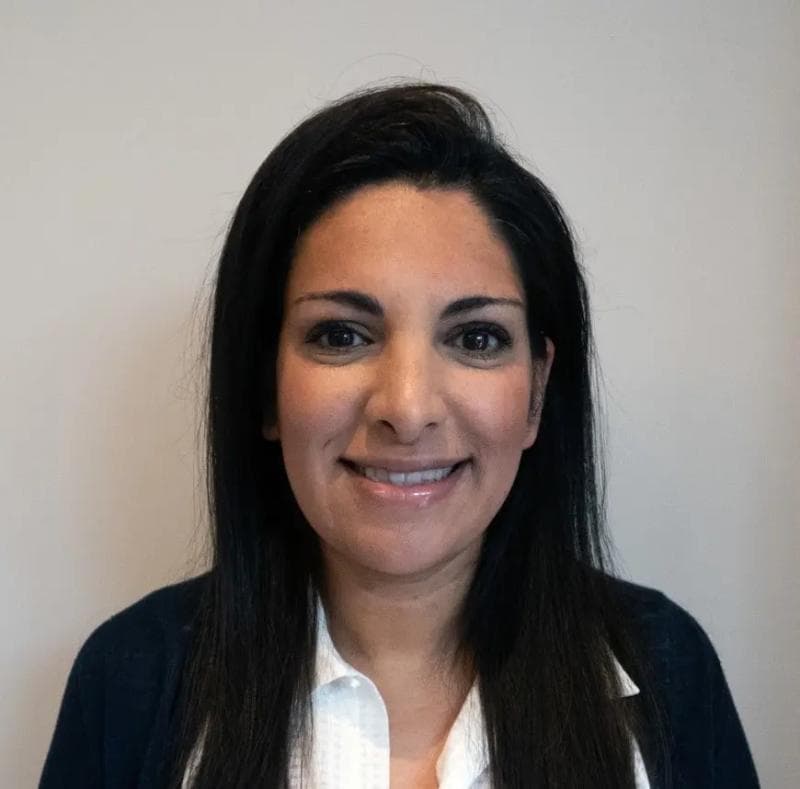
Anchal Puri GDC# 176891
Specialist Orthodontist
BDS MJDF RCS (ENG) MCLINDENT MORTH RCS (EDIN) FDS (ORTH) RCS (EDIN)

Frequently Asked Questions

Love Your Smile
Chat with a Specialist Orthodontist about your treatment options
Final Thoughts
Orthodontic treatment is an important decision and one that often comes with many questions. Whether you're thinking about braces for yourself, your teenager, or even a younger child, having clear, accurate information makes the entire process easier and more reassuring.
If you're unsure about whether orthodontic treatment is right for you or your child, the best approach is to speak directly with a professional who can evaluate your specific needs. An initial consultation provides a clear picture of what to expect, from treatment timelines and costs to practical advice on managing daily life with braces or aligners.
Don't hesitate to ask questions, voice your concerns, and discuss your expectations openly. A trusted orthodontic provider will always take the time to listen carefully, offering personalised advice tailored specifically to your circumstances.
For expert guidance and personalised orthodontic care, consider speaking with the experienced team at The Brace Place, specialists located in Cross Hills, conveniently serving patients from Keighley, Skipton, and surrounding areas.
Watch
Your questions, answered in under a minute
Short answers to some of the questions we hear most often at The Brace Place.
What's the difference between a dentist and an orthodontist?
Every orthodontist is a dentist, but not every dentist is an orthodontist. In this short clip the team at The Brace Place explains the difference. A dentist looks after your overall oral health — check-ups, fillings, hygiene and general treatment. An orthodontist is a dentist who has completed several additional years of specialist university training focused entirely on the alignment of teeth and jaws, and is registered with the General Dental Council on the specialist orthodontic list. That extra training matters when you're moving teeth. A specialist orthodontist plans your treatment around the long-term health and stability of your bite, not just how your teeth look at the end. It's why complex cases, growth in children, and treatments like Invisalign and fixed braces are best handled by someone who does orthodontics every day. At The Brace Place, every case is led by a specialist orthodontist, so you can be confident the person planning your smile has the qualifications and experience to do it properly.
Book a free consultationNHS vs private orthodontic treatment
Wondering whether to go NHS or private for braces? This short explains the practical differences. NHS orthodontic treatment is available to under-18s who meet a clinical need threshold (the IOTN scoring system), and where places are limited there can be long waiting lists. NHS treatment also focuses on function rather than choice — you generally can't pick your appliance, and options like Invisalign or tooth-coloured ceramic braces aren't part of it. Private treatment removes the waiting list, opens up the full range of appliances including clear aligners and ceramic braces, and is available to adults as well as children. It also means more flexible appointment times and a treatment plan built around what you want from your smile. At The Brace Place we offer 0% finance to spread the cost, which makes private orthodontics far more accessible than many people expect. The right choice depends on age, eligibility and how much say you want over your treatment — and a free consultation is the quickest way to find out where you stand.
See treatment costs & finance'Turkey teeth' — why we don't recommend it
"Turkey teeth" has become shorthand for cut-price cosmetic dentistry abroad, where healthy teeth are aggressively filed down to pegs and capped with crowns or veneers for a quick, uniform smile. In this clip our team explains why that trend worries orthodontists. Filing down healthy enamel is irreversible — once it's gone, those teeth will need crowns for life, with the ongoing cost, maintenance and risk of nerve damage or infection that comes with it. Orthodontics offers a fundamentally different approach: braces and clear aligners move your own natural teeth into a better position without destroying tooth structure. The result is a straight, healthy smile built on the teeth you already have, planned and monitored by a specialist. If your goal is a confident smile, the safest route is almost always to straighten what you have rather than grind it away. Book a consultation and we'll talk you through the options that protect your teeth for the long term.
Book a free consultationAt The Brace Place we endevour to create an environment where you feel relaxed and comfortable during your orthodontic treatment.
Opening Hours
Monday to Thursday
8.00am - 8.00pm
Friday
9.00am - 5.00pm